Football Gear Care Tips for Longevity and Performance

Maintaining Your Football Gear: Tips for Longevity and Performance
Football requires players to prepare their minds and bodies equally as much as their skills. People tend to miss one important aspect. Gear maintenance. Your football gear supports your performance at every level, from recreational to professional athletes. The proper care of your equipment determines how you perform consistently on the field. Regular maintenance of your gear ensures better protection and longer life of your equipment at all times.
Cleanliness Is Key
Basic football gear maintenance starts with proper cleaning. When a practice session ends, people often throw their gear anywhere randomly instead of properly taking care of it. Material breakdown and bacterial growth happen rapidly when sweat and dirt mix, but skin infections become the real danger.
Start with your uniform.
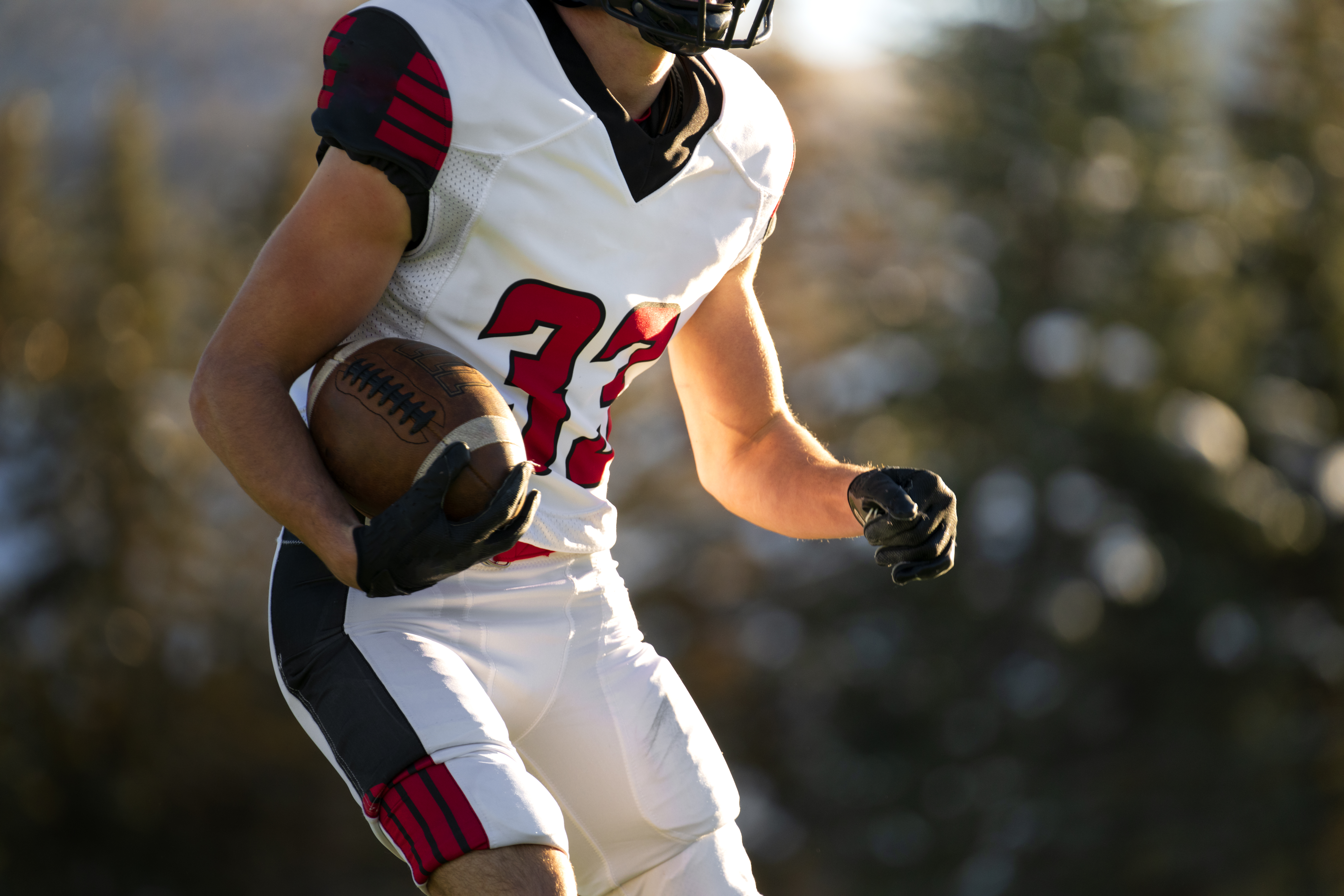
Uniform pieces need washing in cold water with gentle detergent after every game day. Do not use bleach or other rough cleaning agents because they damage the football garment fabric and logo integrity. Rinse off muddy parts first before you put them in the washing machine. shoulder pads . Check for sweat buildup in both shoulder pad straps and inner fabric areas when cleaning. Leave gear items fully dry before storing them.
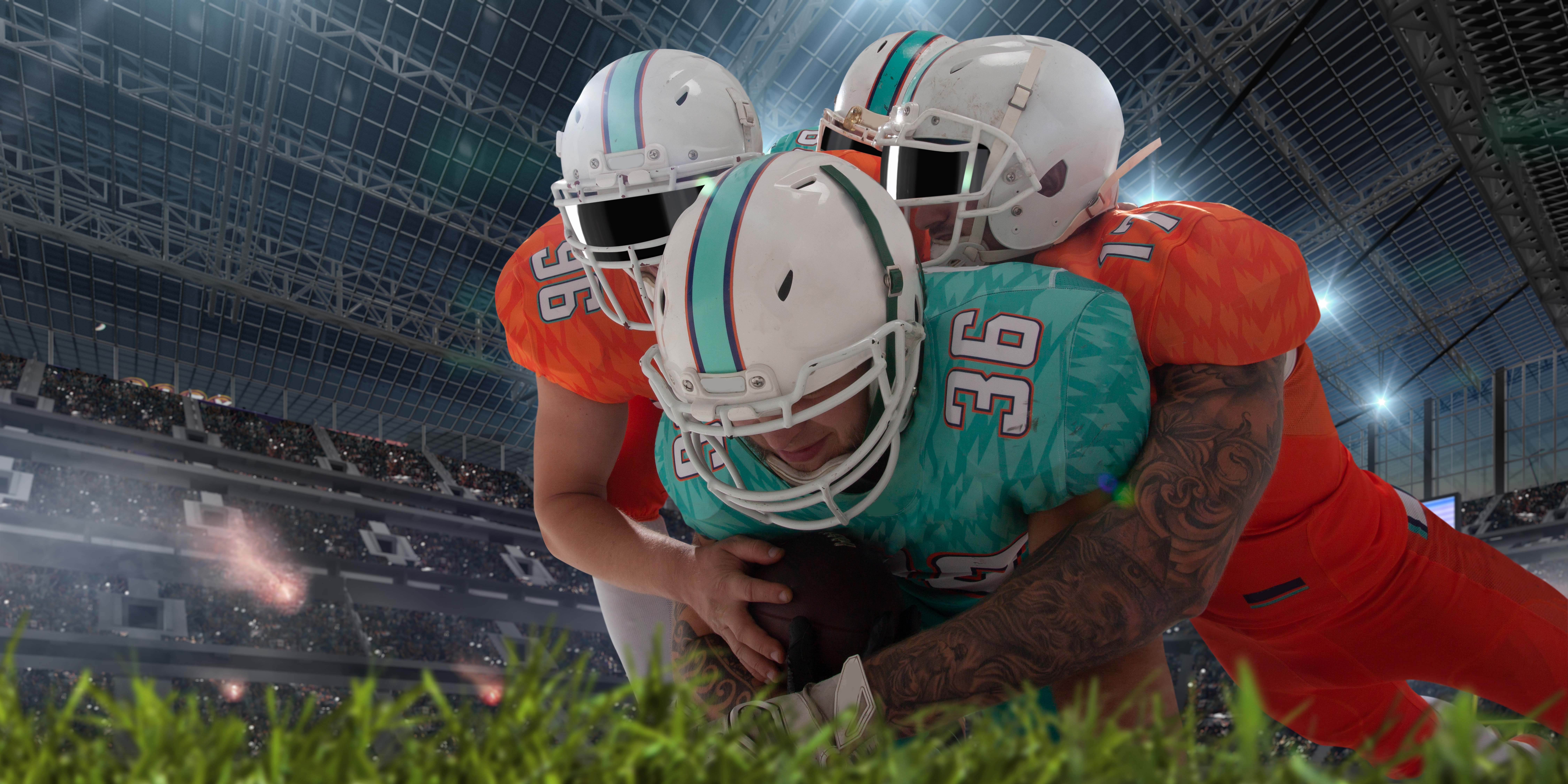
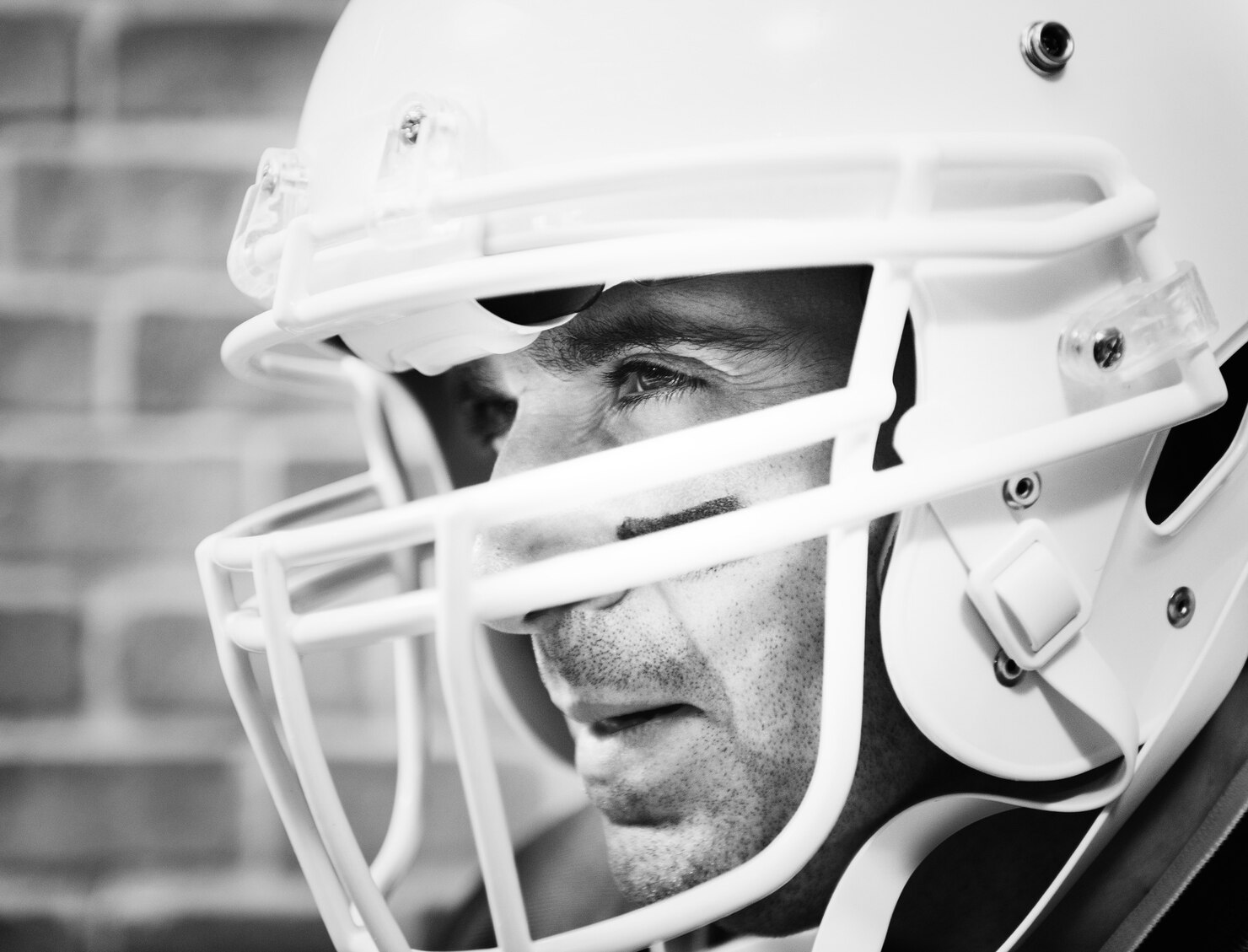
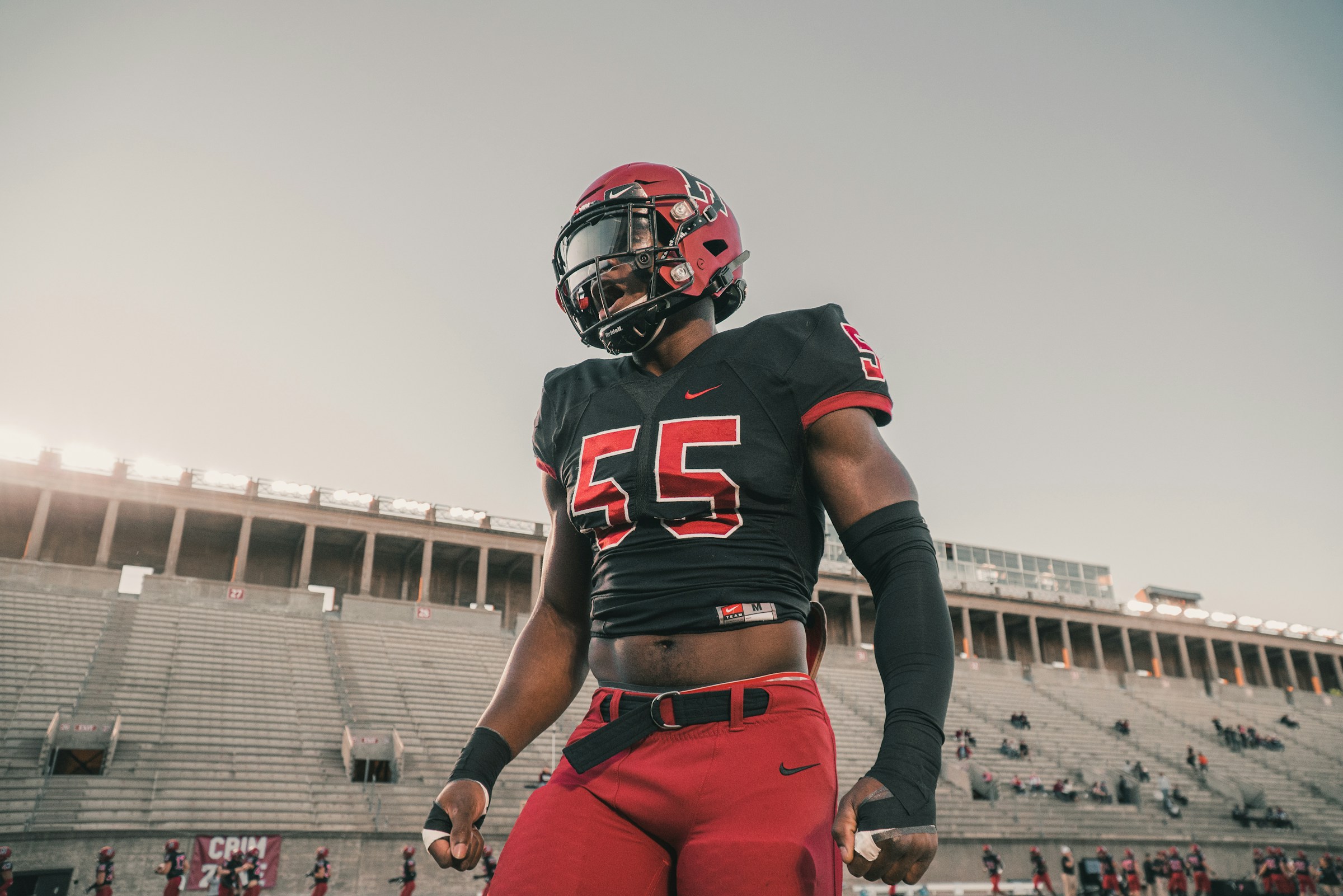
Helmets need extra attention. Use a damp cloth with mild soap to clean the shell and interior padding. Don’t soak the helmet or use a washing machine, this could damage the integrity of the safety features. Check your helmet weekly for any cracks or loose padding.
Store It the Right Way
How you store your gear can have a massive impact on its lifespan. Leaving wet or damp gear in your bag is asking for trouble. Mold and mildew not only smell awful but can weaken fabric and padding.
After practice or a game, lay your gear out to air dry. A simple gear rack or even a designated spot in your garage works. Make sure everything is fully dry before you store it. If you’re short on space, mesh bags can help with ventilation while keeping everything organized.
Avoid leaving gear in hot cars or damp basements. Extreme temperatures and humidity can warp plastic parts, weaken stitching, and degrade foam padding. Instead, choose a cool, dry area with good airflow.
Check for Damage Often
A small tear or crack might not seem like much, but in football, it can lead to bigger issues fast. Damaged equipment doesn’t protect like it’s supposed to, and it can hurt your performance.
Before every practice or game, take a few minutes to inspect your gear. Look for frayed straps, loose buckles, or signs of wear on your gloves, cleats , or pads. Check your helmet for cracks, missing screws, or worn-out padding.
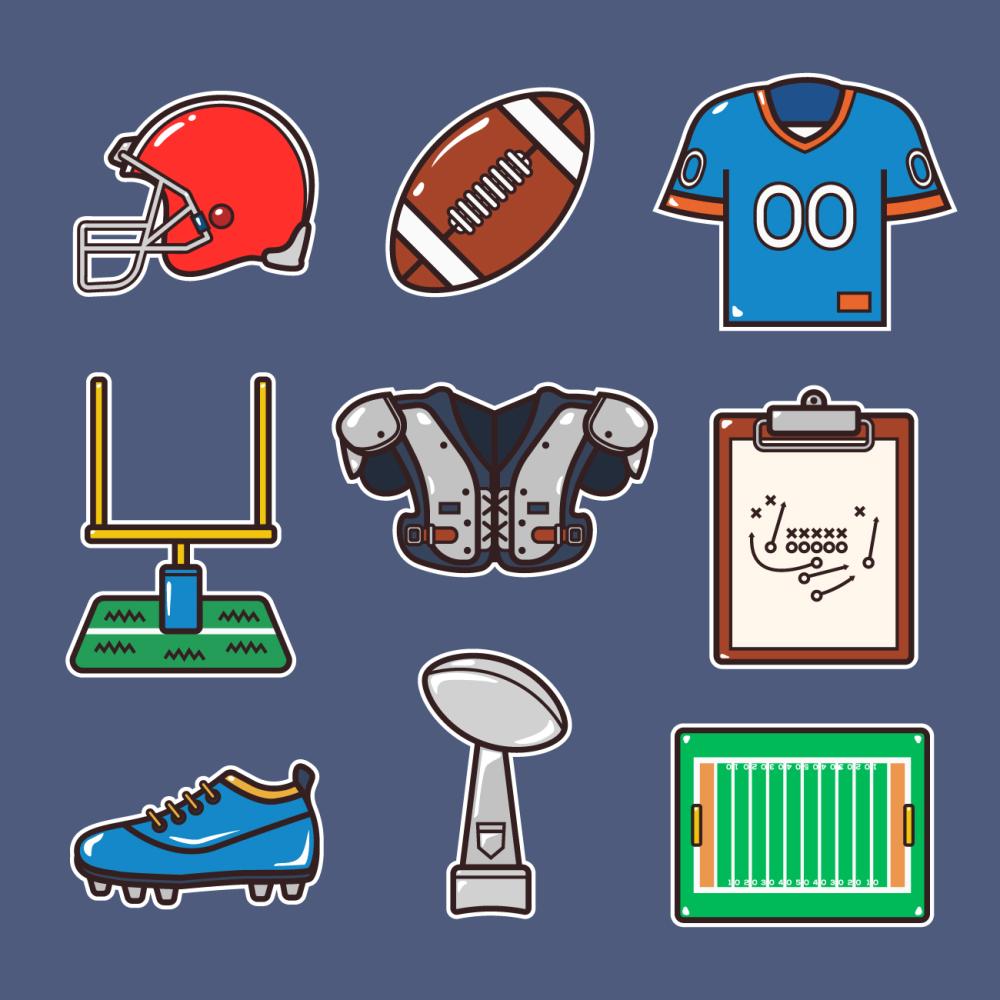
If something looks off, don’t wait. Addressing minor problems early can save you from bigger, more expensive fixes down the road. Replace or repair anything questionable to avoid injury and stay on top of your game.
Break in New Gear Properly
New gear is exciting, but it shouldn’t be rushed into intense action. Cleats, gloves, and pads all need a break-in period. This not only helps them mold to your body but also ensures you're comfortable and performing at your best.
Start by wearing new gear during light drills or warmups . Pay attention to any areas that feel tight or uncomfortable. Adjust straps and fastenings gradually over a few days. Avoid using brand-new gear in a game without breaking it in—it could lead to blisters, distraction, or even reduced protection.
Cleats, especially, need time to adjust to your foot. Walk around in them, practice quick turns, and try them on different surfaces. The same goes for gloves. A few sessions on the practice field will soften them up and improve your grip.
Know When It’s Time to Replace
TNo matter how well you take care of your gear, nothing lasts forever. Football equipment takes a beating. After a while, the padding thins out, fasteners wear down, and materials lose their structure.
Helmets should be reconditioned or replaced based on the manufacturer's guidelines, typically every few years. If your helmet has been through a major collision or shows visible cracks, it needs immediate replacement.
Shoulder pads can last a bit longer , but if the padding feels flat or the straps no longer hold securely, it’s time to upgrade. Gloves lose grip after extended use, and cleats lose traction or start separating from the sole. Don’t compromise your performance or safety by holding onto worn-out gear.
Use Products Designed for Sports Gear
There are a lot of cleaning products out there, but not all are safe for football equipment . Use sprays, disinfectants, and deodorizers that are specifically made for sports gear. These products clean without damaging the materials and are often better at fighting bacteria and odor.
Avoid soaking your gear in water or using household cleaners not meant for athletic items. These can degrade padding, fade colors, or create buildup that irritates the skin.
There are also great maintenance kits available that include the right wipes, sprays, and brushes to help you keep everything in top shape. Investing in these tools can make your maintenance routine easier and more effective.
Pay Attention to Cleats
Your cleats are one of the most critical pieces of gear, and they take a serious beating on the field. Clean them after every game by removing dirt, mud, and grass. A toothbrush or small scrub brush works great for getting into the grooves.
Dry them out thoroughly; never leave them soaking wet. Stuffing them with newspaper can help pull out moisture quickly while keeping the shape intact.
Check the studs regularly. Worn-down cleats reduce your traction and can cause slips or falls. Replace studs when needed and rotate between two pairs of cleats if possible to reduce wear.
Don’t Ignore Your Accessories
Mouthguards, wristbands, compression sleeves, and athletic supporters are all part of your setup—and they need attention too. Rinse mouthguards after every use and deep clean them weekly with a toothbrush and mild soap. Store them in a ventilated case, not loose in your bag.
Wash compression gear after every use, following label instructions. And always have backup accessories on hand in case something gets lost or damaged mid-season.
Final Thoughts on Routine Maintenance
The bottom line is this: taking care of your football gear isn’t hard, but it does require consistency. Make cleaning and inspection a regular part of your routine. Just a few extra minutes after practice can extend the life of your equipment, save you money, and most importantly, keep you safer on the field.
High-performance athletes don’t just train harder, they prepare smarter. And that includes keeping their gear game-ready all season long.
At Tag Sports Gear , we understand the importance of reliable equipment. Explore our high-quality gear and maintenance tools to keep your game strong and your gear even stronger. Shop now and gear up with confidence!
About the Author