How Do Football Helmets Protect Players? Safety Explained

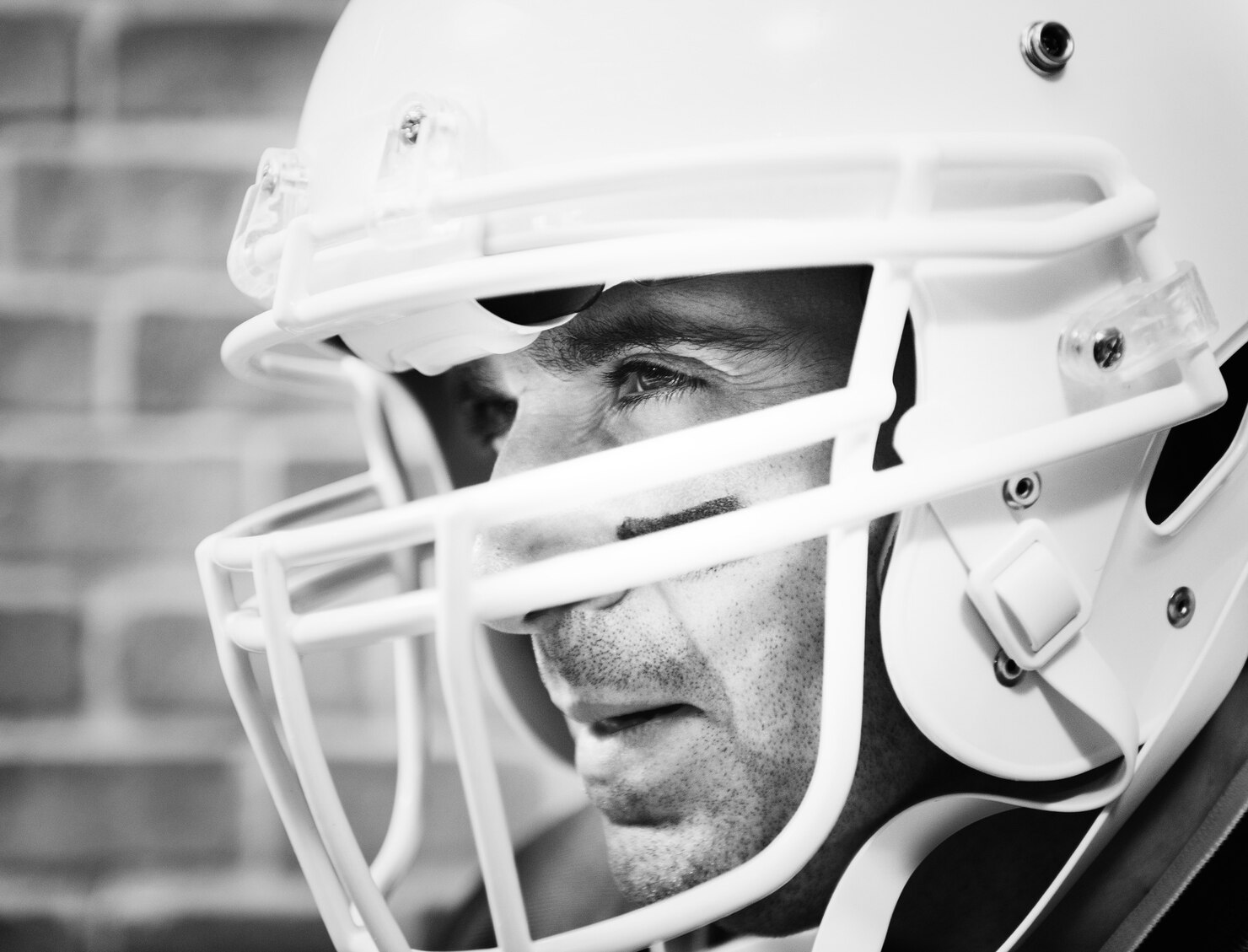
How Do Football Helmets Protect Players?
- football helmets
Football is a high-impact sport where speed, strength, and collisions are part of the game. Because of this physical nature, protective equipment plays a crucial role in keeping athletes safe on the field. Among all pieces of gear, football helmets are one of the most important items designed to protect players from head injuries and reduce the risk of serious trauma during tackles and impacts.
Why Head Protection Is Critical in Football
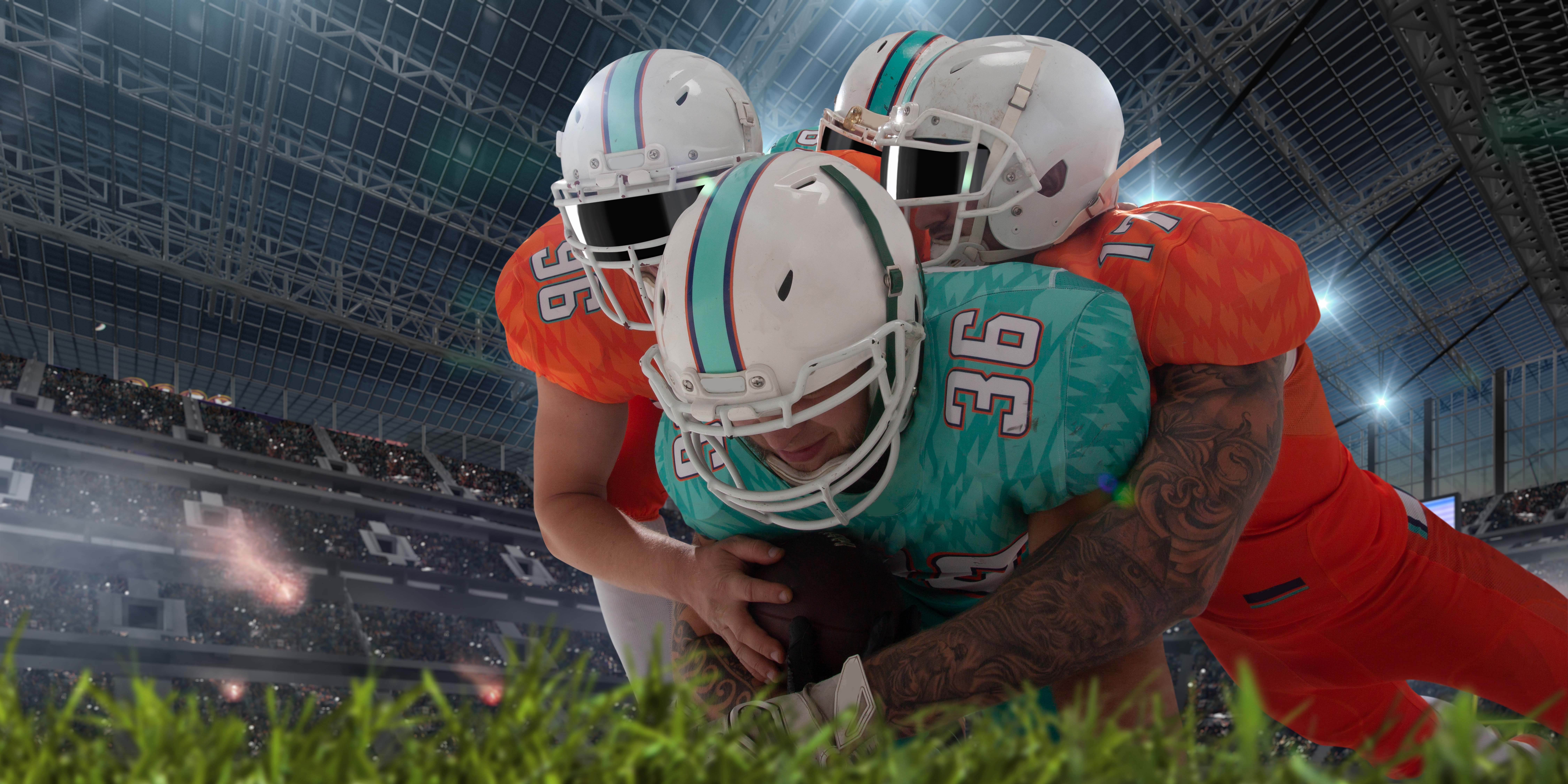
During a football game, players frequently experience sudden contact with other players, the ground, or equipment. These impacts can cause head injuries if the head is not properly protected. Modern football helmets are engineered to absorb and distribute the force generated during collisions.
Instead of allowing the full impact to reach the skull, the helmet structure helps spread the energy across a wider area. This design reduces the chance of fractures, concussions, and other head-related injuries. Because of these safety benefits, football helmets are mandatory equipment in organized football leagues from youth levels to professional competitions.
The Outer Shell: The First Line of Defense
The outer shell of a helmet is typically made from strong polycarbonate materials. This hard layer forms the protective exterior and helps prevent direct blows from penetrating the helmet.
When two players collide, the shell disperses the energy of the hit across its surface. This prevents the force from concentrating on a single point of the head. The durability of modern football helmets ensures that they maintain their structural integrity even after repeated impacts throughout a game or practice session.
The curved shape of the shell also helps deflect glancing blows rather than allowing them to strike the head directly.
Internal Padding and Impact Absorption
Inside the helmet, a carefully designed system of foam padding provides cushioning and shock absorption. This inner padding compresses when impact occurs, which slows down the force before it reaches the player's head.
Different types of foam and air-cushion systems are used to improve comfort and safety. Some helmets even include adjustable air pockets to create a secure fit for each athlete. These internal systems make football helmets more effective at minimizing the intensity of sudden impacts.
By reducing the acceleration of the head during contact, the padding helps lower the likelihood of serious injury.
The Role of the Face Mask
Another key component of modern helmets is the facemask. The metal grid attached to the front of the helmet protects the player's face from direct contact with other players, hands, or the football.
The facemask also helps prevent injuries to the nose, jaw, and eyes while still allowing clear vision. When paired with well-designed football helmets, the facemask becomes an essential element in maintaining both safety and visibility during fast-paced gameplay.
Different positions on the field may use slightly different facemask styles depending on their specific needs.
Proper Fit and Stability
Even the most advanced protective equipment will not work effectively if it does not fit correctly. A helmet should sit snugly on the player's head without shifting during movement or impact.
Properly fitted football helmets ensure that the padding stays in contact with the head so that impact forces can be absorbed efficiently. Coaches and equipment managers often check the fit before practices and games to confirm that straps, padding, and chin guards are correctly positioned.
A secure fit also improves player comfort and confidence, allowing athletes to focus fully on the game.
Chin Straps and Retention Systems
Chin straps are another important safety feature. These straps keep the helmet firmly in place during tackles and collisions. Without them, a helmet could move or even come off during impact.
Modern retention systems are designed to hold football helmets securely while still allowing quick adjustments. When properly fastened, chin straps prevent the helmet from rotating or shifting, ensuring that the protective shell and padding stay aligned with the player's head.
This stability plays a major role in maintaining consistent protection throughout a game.
Continuous Improvements in Helmet Technology
Helmet manufacturers continue to develop new technologies to improve player safety. Advanced materials, improved padding systems, and innovative impact-testing methods have all contributed to safer equipment.
Research into concussions and head injuries has also influenced the design of football helmets. Engineers now focus not only on reducing direct impact forces but also on minimizing rotational forces that can affect the brain.
These advancements help ensure that players benefit from better protection than ever before while still maintaining comfort and performance.
Choosing the Right Helmet for Safety
Selecting the right helmet involves more than simply choosing a size. Players and coaches should consider certification standards, padding systems, and overall durability.
High-quality football helmets undergo rigorous testing to meet safety standards set by sports governing bodies. Proper maintenance, regular inspections, and timely replacement of worn equipment also help maintain optimal protection on the field.
For athletes who take safety seriously, choosing reliable protective gear is essential. Tag Sports Gear offers high-quality football equipment designed with performance, durability, and protection in mind. Explore their collection today to find dependable football helmets and other gear that help players stay confident and protected throughout every game.
About the Author