Does Football Gear Affect Speed & Agility?


Does Football Gear Affect Speed and Agility? What Players Should Know
Speed and agility are two of the most critical traits in football, influencing everything from quick cuts to explosive sprints. While training and technique play a major role, the type and quality of football gear a player uses can also have a noticeable impact. Understanding how equipment affects movement can help players make smarter choices and perform at their best.
The Connection Between Gear and Movement
At its core, football is about controlled movement under pressure. Every piece of football gear adds some weight or restriction, which can influence how a player accelerates, changes direction, and maintains balance. However, modern equipment is designed to minimize these limitations while maximizing protection.
Well-designed gear supports natural motion rather than restricting it. When players choose equipment that aligns with their playing style and position, they can maintain both safety and performance without compromise.
Weight Matters More Than You Think
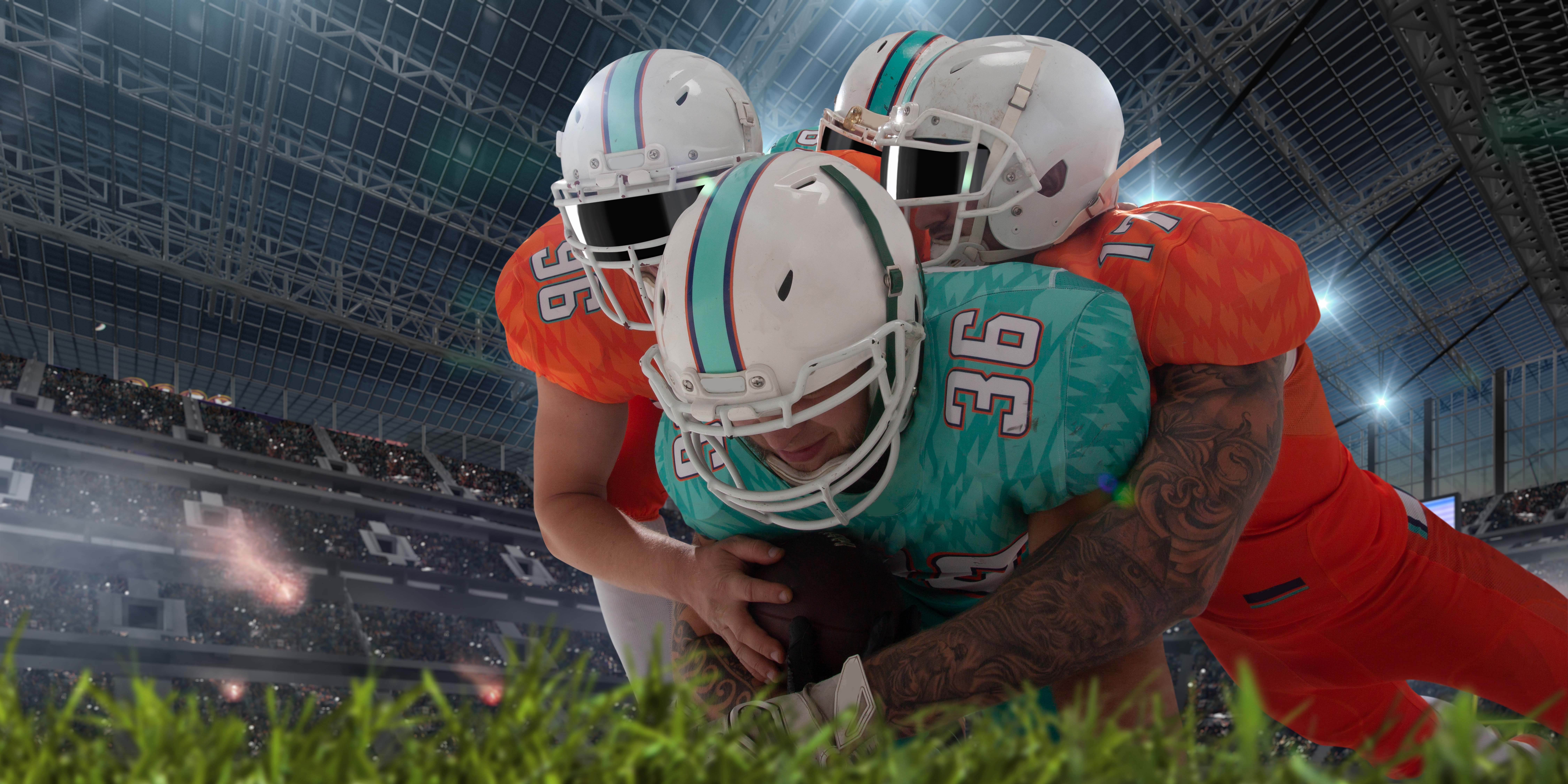
One of the most immediate ways football gear affects performance is through weight. Heavier equipment can slow down acceleration and make rapid direction changes more challenging. This is especially important for positions like wide receivers and defensive backs, where quickness is essential.
Innovations in lightweight materials have helped reduce unnecessary bulk. Equipment such as the RIPT 150- Shoulder Pad is designed to offer solid protection without adding excessive weight, allowing players to move more freely while staying protected during contact.
Flexibility and Range of Motion
Agility depends heavily on how easily a player can move their arms, shoulders, and torso. Stiff or poorly designed gear can limit range of motion, making it harder to execute quick turns or reactive movements.
Modern football gear focuses on ergonomic design, ensuring that players can move naturally. Shoulder pads, in particular, should allow full arm rotation and upper body flexibility. When gear fits properly and is designed with mobility in mind, it enhances rather than hinders performance.
The Role of Proper Fit
Even the most advanced equipment can negatively impact speed and agility if it doesn’t fit correctly. Loose gear can shift during play, while overly tight gear can restrict movement.
Players should always ensure their football gear is properly sized and adjusted. A secure fit keeps equipment in place, allowing athletes to focus on their movements without distraction. Properly fitted gear also improves confidence, which can indirectly enhance performance on the field.
Storage and Organization: An Overlooked Factor
While it may not seem directly related to performance, how equipment is stored and maintained can influence its effectiveness. Gear that is improperly stored can lose its shape or structural integrity over time.
Solutions like the TSR-4 4-Stack Shoulder Pad Pack and the TSHR-Rolling shoulder Pad help teams keep their equipment organized and in good condition. Similarly, the THR- Rolling Football Helmet Rack System ensures helmets are stored properly, maintaining their fit and protective qualities. Well-maintained gear performs better and supports consistent movement.
Balancing Protection and Performance
There is always a trade-off between protection and mobility. Players need gear that can absorb impact without making them feel weighed down. Advances in design have made it possible to achieve this balance more effectively than ever.
High-quality football gear uses materials that distribute force efficiently while remaining lightweight and flexible. This allows players to maintain speed and agility without sacrificing safety during high-impact plays.
Psychological Impact of Equipment
Confidence plays a significant role in athletic performance. When players trust their football gear, they are more likely to move freely and aggressively. On the other hand, uncomfortable or restrictive equipment can create hesitation, affecting reaction time and overall agility.
Choosing gear that feels comfortable and reliable can boost a player’s mental readiness. This psychological edge often translates into quicker decisions and smoother movements on the field.
Adapting Gear to Position and Play Style
Different positions require different levels of mobility and protection. Linemen may prioritize durability and impact resistance, while skill players focus more on speed and flexibility.
Selecting the right football gear based on position ensures that players get the best of both worlds. Tailored equipment allows athletes to optimize their strengths without being limited by unnecessary bulk or stiffness.
Final Thoughts
Football gear absolutely affects speed and agility, but the impact depends on the quality, fit, and design of the equipment. By choosing lightweight, flexible, and well-fitted gear, players can maintain their performance while staying protected.
If you’re looking to upgrade your setup, Tag Sports Gear offers innovative and reliable solutions tailored for modern athletes. Explore their range today and find football gear that supports both your safety and your performance on the field.
About the Author