What Type of Injury Do Shoulder Pads Protect?


What Type of Injury Do Shoulder Pads Protect?
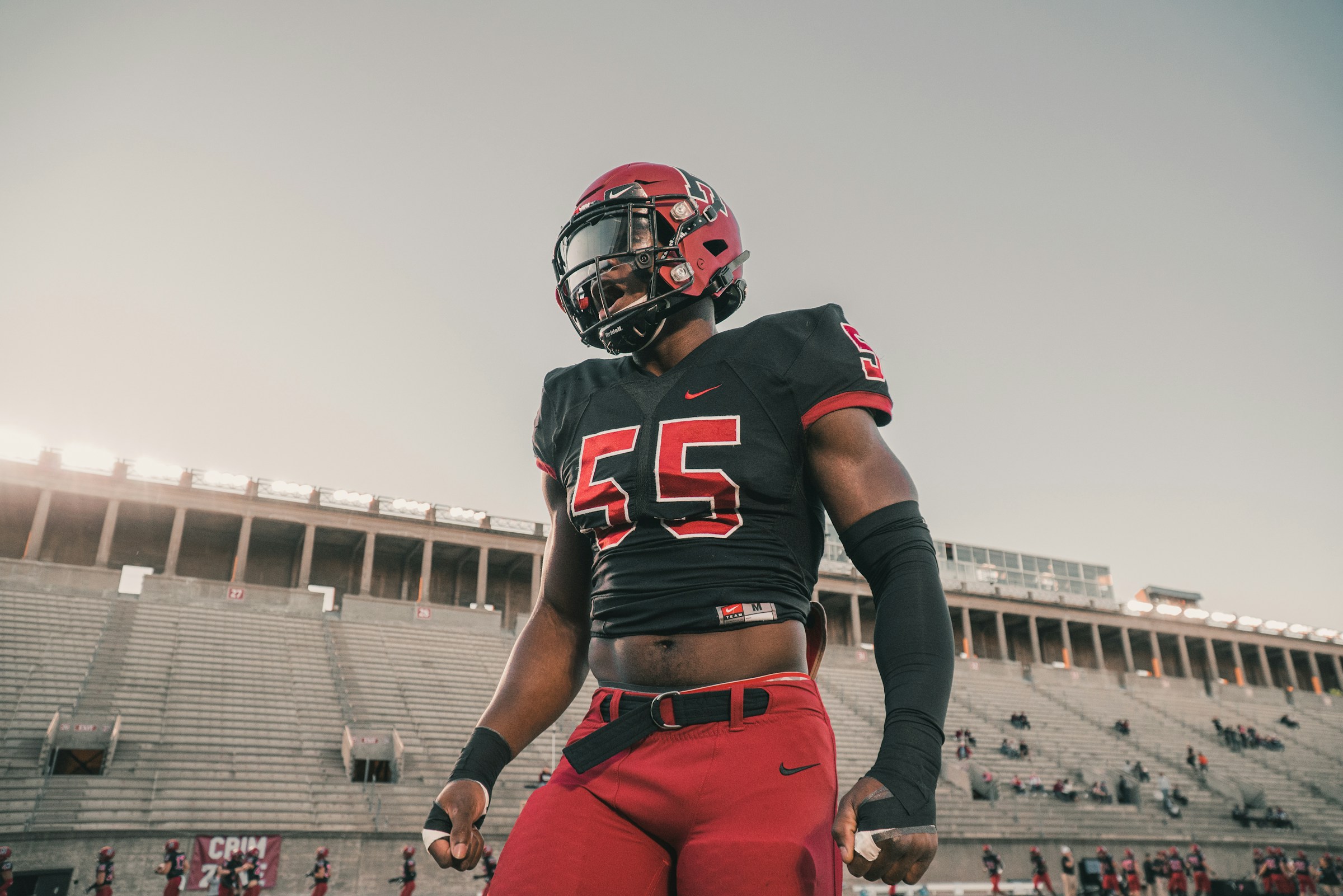
Football players need protection not only to perform better, but to survive when it comes to one of the most physical and high-impact sports in the world. Football shoulder pads are the most crucial equipment of all the necessary gears , as they offer impact protection and stability of the body. However, what exactly do these pads cushion, and how do they avoid injury in the rough fast moving collisions which are characteristic of the game?
Using high-quality TAG shoulder pads can help prevent most shoulder injuries, while the TAG Shoulder Injury Pad offers extra protection or support for players recovering from previous injuries.
The solution is in the knowledge of how shoulder pads are designed to operate, which parts of the body they cover, and how the design and technology have developed to ensure the safety of athletes without making them slow down.
The Purpose Behind Shoulder Pads
In a sport where full-speed tackles, diving catches, and hard blocks are part of every play, shoulder protection is non-negotiable. The primary function of football shoulder pads is to absorb and distribute the impact of collisions that could otherwise cause serious upper-body injuries. By spreading the force of contact over a wider area, pads minimize the pressure on any single point, especially the shoulders, chest, and upper back.
But beyond just shock absorption, these pads provide structural stability. The human shoulder is a complex joint that allows incredible mobility but limited inherent protection. Pads essentially serve as an external exoskeleton, reinforcing vulnerable joints, muscles, and bones so players can play aggressively while reducing injury risks.
Protection Against Common Shoulder Injuries
The most common injuries in football involve either direct hits or awkward landings that put strain on the upper body. Football shoulder pads are specifically designed to guard against several key types of injuries:
- 1. Shoulder Dislocations and Separations
- 2. Fractures (Collarbone and Shoulder Blade)
- 3. Bruising and Muscle Strain
- 4. Chest and Rib Injuries
A shoulder dislocation occurs when the upper arm bone pops out of its socket, while a separation involves the ligaments that connect the collarbone to the shoulder blade. Both can result from hard tackles or falls. Pads cushion and stabilize the joint, lessening the likelihood of extreme movement that causes these injuries.
Fractures are common in contact sports due to direct impact. The padding and hard shell of football shoulder pads act as a shield, distributing the force away from fragile bones like the clavicle and scapula.
Even minor collisions can leave deep bruises or strained muscles. High-density foam and layered cushioning help reduce the intensity of hits, minimizing surface injuries and fatigue.
While the name emphasizes “shoulder,” the design extends protection across the upper chest and ribs. This broader coverage prevents bruised ribs, sternum injuries, or even internal trauma during full-contact play.
Choosing a high-quality TAG shoulder pad can often provide enough protection that players may not need an additional injury pad, as their design already includes reinforced high-density foam, durable shells, and adjustable straps for optimal safety.
Anatomy of Protection: How Shoulder Pads Work
Modern football shoulder pads combine engineering, materials science, and ergonomic design to offer multi-layered protection. Typically, pads have three essential layers: a hard plastic outer shell, a cushioning foam interior, and adjustable straps for a secure fit.
- Hard Outer Shell: The outer shell disperses the initial force of impact, preventing a direct hit to bones and joints. This layer is lightweight yet tough enough to resist cracking or denting.
- Inner Foam Padding: The soft foam beneath absorbs shock and prevents the energy from transferring to the player’s body. It also provides comfort, helping athletes maintain focus and flexibility.
- Shoulder Caps and Flaps: These extend coverage over the deltoids and upper arms, cushioning hits from multiple angles.
- Adjustable Harness: A snug fit is essential for safety. Loose pads can shift during play, leaving players exposed. The harness ensures stability and even weight distribution.
Together, these elements function like armor—protecting without restricting motion, allowing players to perform confidently in high-intensity environments.
The Evolution of Shoulder Pad Design
Over the years, football shoulder pads have evolved significantly. Early designs in the early 20th century were made from heavy leather and provided minimal shock absorption. As the game became faster and more physical, innovation followed suit. Today’s models are lightweight, aerodynamic, and built using advanced materials like carbon fibre and EVA foam, offering enhanced flexibility without compromising protection.
Manufacturers now design pads to fit different positions—quarterbacks get lighter models that prioritize mobility, while linebackers and linemen wear bulkier versions with reinforced impact zones . This customization ensures every player has the ideal balance of movement and defense suited to their role on the field.
Proper Fit and Maintenance
Even the best pads can fail to protect if they don’t fit correctly. A proper fit means the pads cover the collarbone, shoulder tips, and chest without restricting neck or arm movement. If they shift or feel loose, the protection becomes uneven, increasing injury risk.
Maintaining your gear also matters. Over time, sweat, dirt, and wear can weaken materials or reduce cushioning. Clean your pads regularly , inspect for cracks or fraying, and replace them every few seasons to ensure reliable safety. It’s a small investment compared to the risk of serious injury.
Beyond Protection: Confidence and Performance
There’s also a psychological element to wearing football shoulder pads. When players know they’re properly protected, they play harder and with more confidence. The feeling of security allows them to focus on speed, strategy, and execution rather than worrying about pain or injury.
Pads do more than guard against impact: they empower athletes to perform at their peak. Whether it’s absorbing the brunt of a tackle or protecting the ribs from a blindside hit, every layer of padding contributes to both safety and performance.
The Role of Technology and Innovation
In recent years, technology has played a major role in advancing protective sports gear. Smart sensors embedded in shoulder pads can now measure impact force, helping trainers and coaches monitor potential concussion risks. These innovations don’t just protect players in the moment: they provide data to make football safer overall.
Materials science has also improved breathability and weight reduction, meaning players can move faster without overheating. Advanced air circulation systems within pads reduce sweat buildup, enhancing comfort during long practices and games.
Protect What Matters Most
Football is thrilling because of its intensity, but that same intensity demands respect for safety. Shoulder injuries are common in contact sports, but with the right protection, players can drastically reduce their risk and extend their athletic careers.
That’s why investing in quality gear is essential. At Tag Sports Gear, we understand how critical protection and performance are on the field. Our collection of football shoulder pads is designed with modern athletes in mind:lightweight, durable, and engineered to safeguard every hit and every play.
Stay strong. Stay safe. Choose Tag Sports Gear for your next pair of football shoulder pads and experience the perfect blend of protection, comfort, and confidence every time you take the field.
About the Author