Best Head and Facial Protection for Youth Football

Best Head and Facial Protection for Youth Football A Parent’s Guide
- football gear
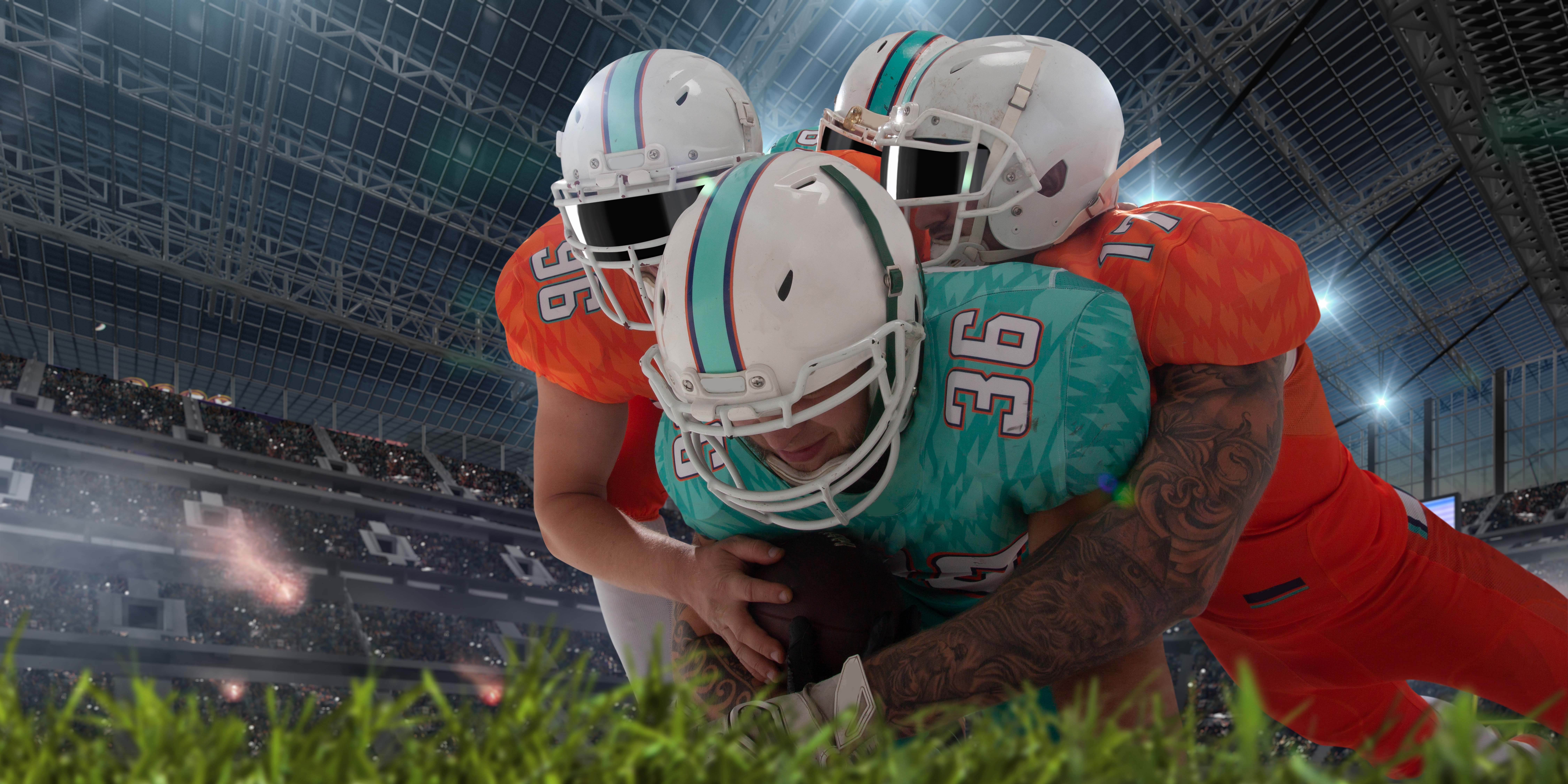
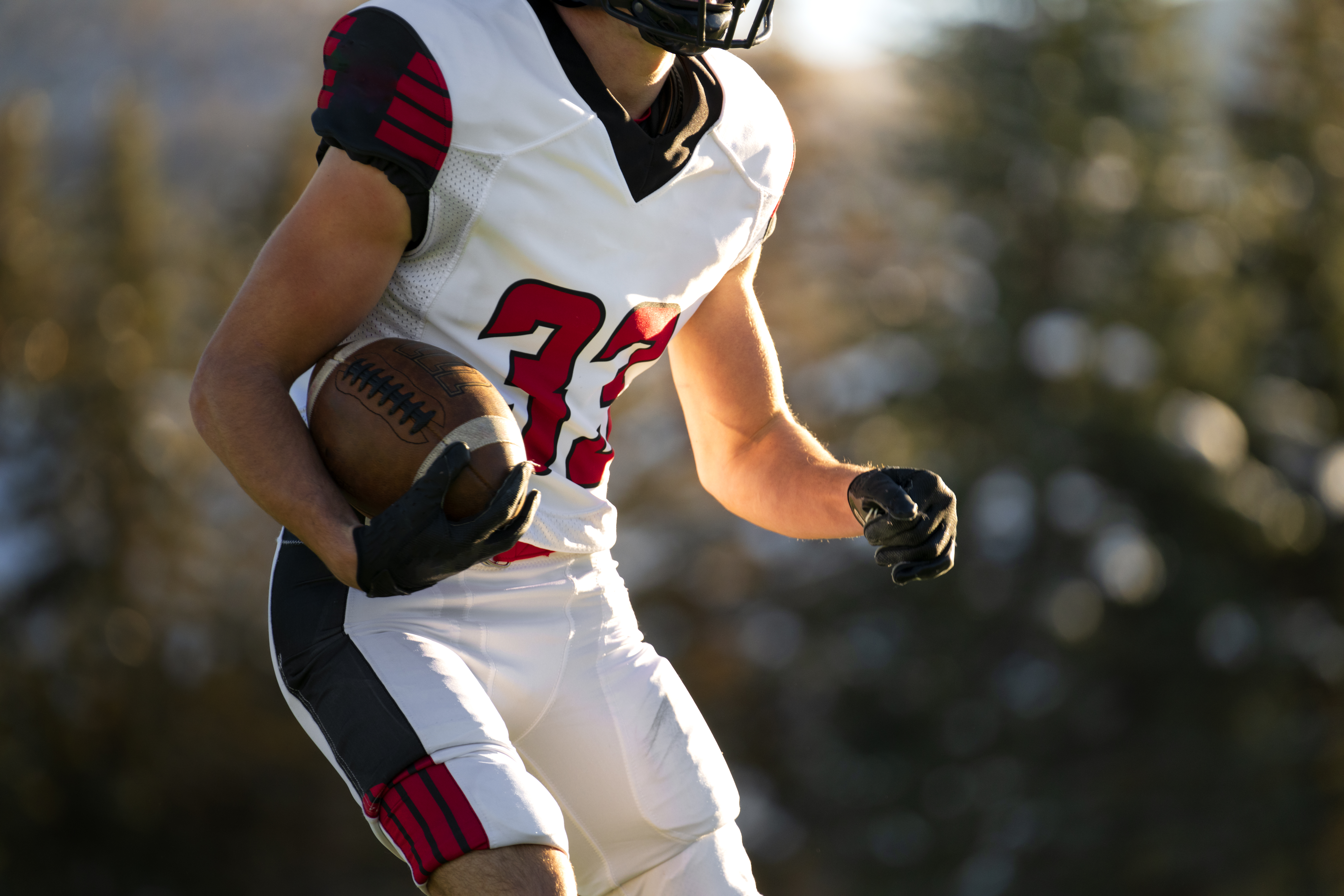
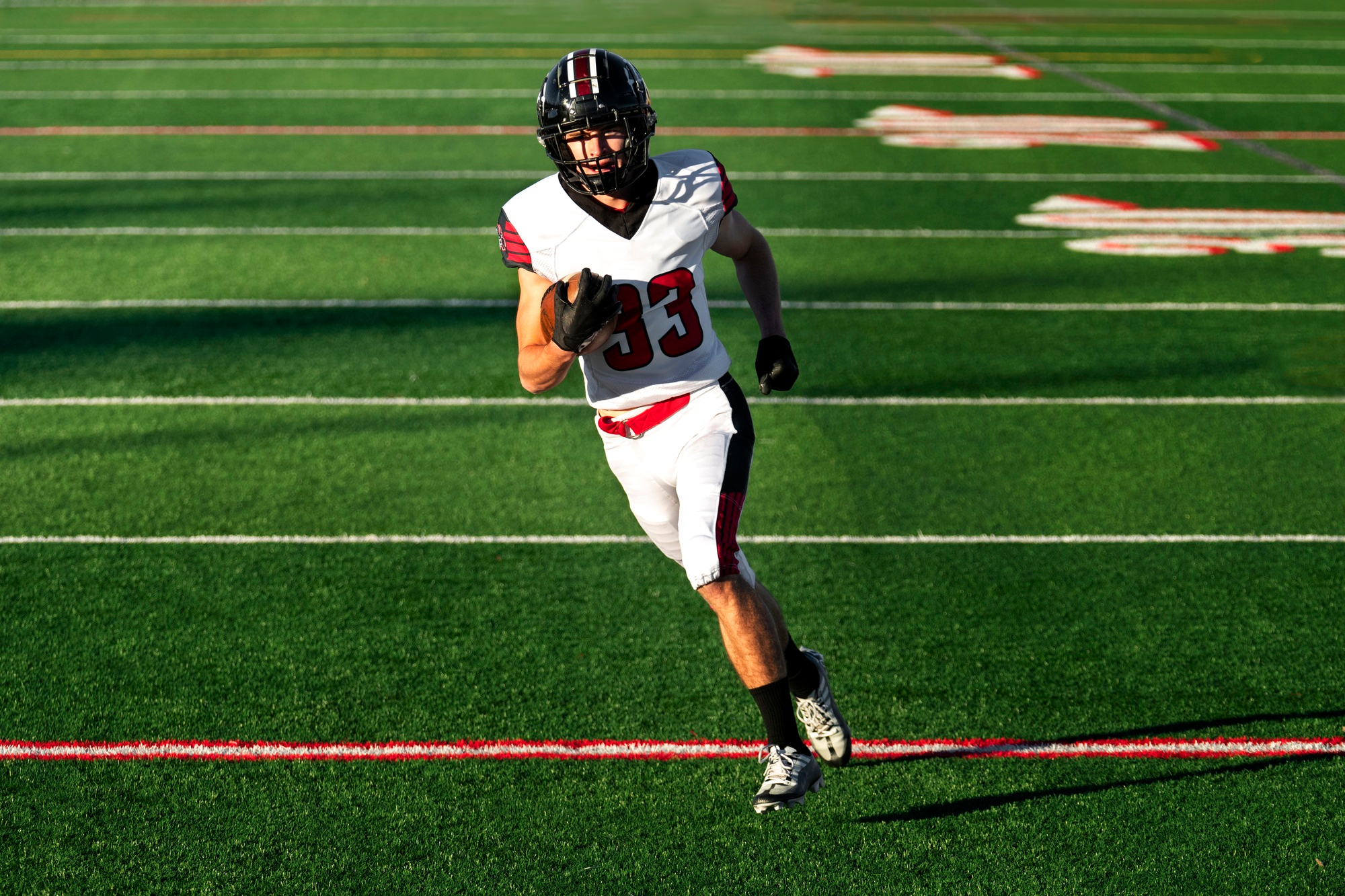
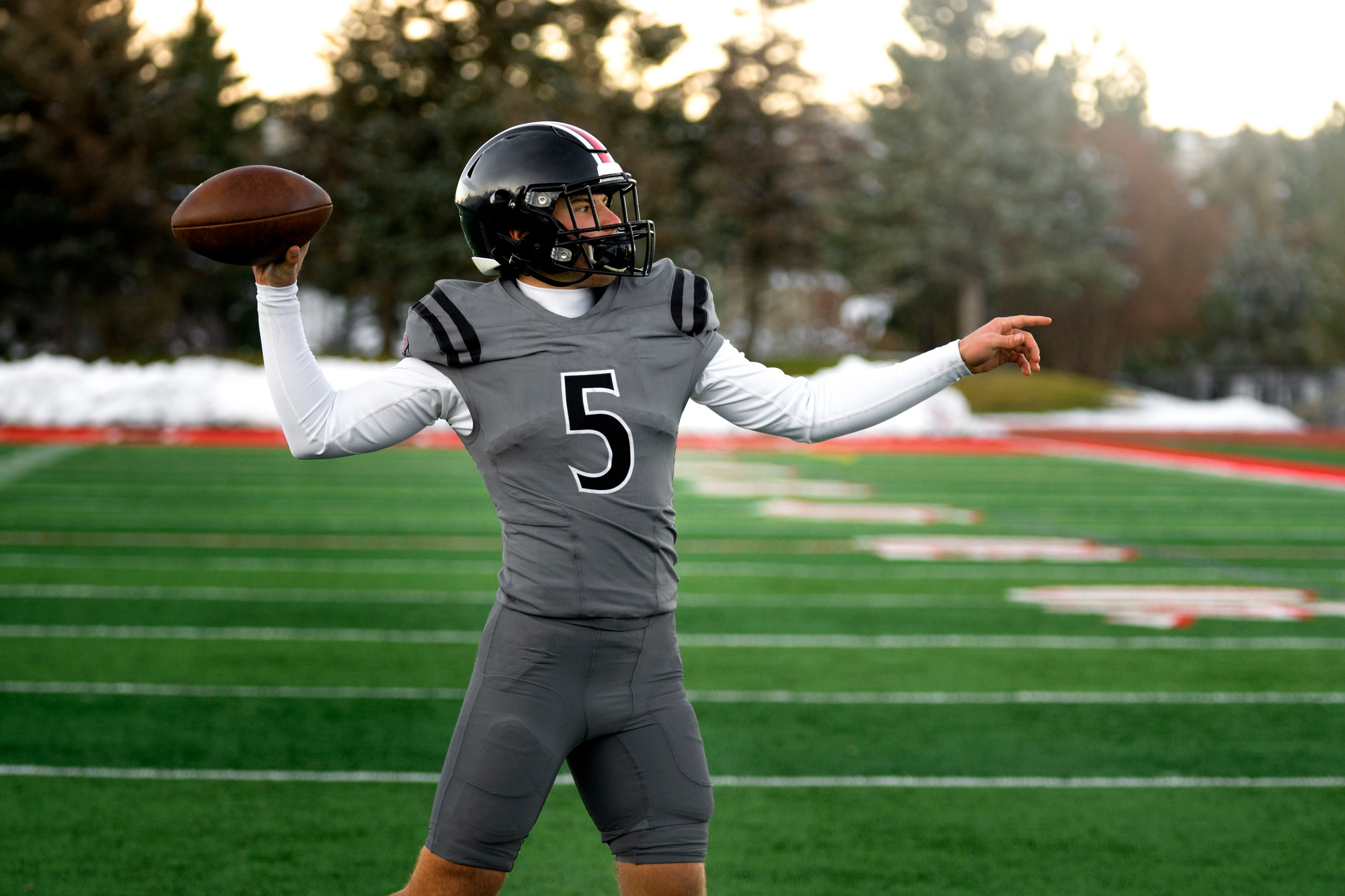
Youth football is a thrilling experience for children and parents alike. From the first time a child steps onto the field to the excitement of games and practices, parents want their young athletes to be safe. As a parent, you have a lot to think about when it comes to protective equipment. The right football gear can make a huge difference in safety, confidence, and performance. Among all the items that young players wear, head and facial protection are some of the most important. With increasing concerns about concussions and facial injuries, choosing the best protection should be a top priority. This guide will help parents understand what to look for and how to choose the best football gear for youth players .
Understanding the importance of head protection is essential. Football helmets do more than just look cool. They are engineered to absorb impact and protect the brain from direct hits. Youth football gear is not a one-size-fits-all category. The helmets must fit properly and be designed for the age level of the athlete. A poorly fitting helmet can be worse than no helmet at all because it may shift on impact and fail to protect effectively. That is why when you purchase youth football gear like helmets, you should measure your child and consult sizing charts carefully.
Choosing the Right Helmet
The helmet is the cornerstone of head protection in football. There are many helmets on the market, but not all are created equal. Parents should look for helmets that meet or exceed safety standards set by organizations such as Tag Sports Gear. These standards ensure that the helmet has passed rigorous testing for impact protection. When considering youth football gear, look for helmets with multiple layers of padding and air or foam systems that adapt to different levels of force.
One important accessory to consider is the THR ROLLING FOOTBALL HELMET RACK SYSTEM . This innovative product allows families and teams to organize helmets safely and keep them in good condition between uses. A well-organized gear area reduces the chance of damage to helmets, which can compromise their protective qualities. The rolling rack system also makes it easier to transport and store helmets without stacking them on top of each other, which can lead to scratches or dents.
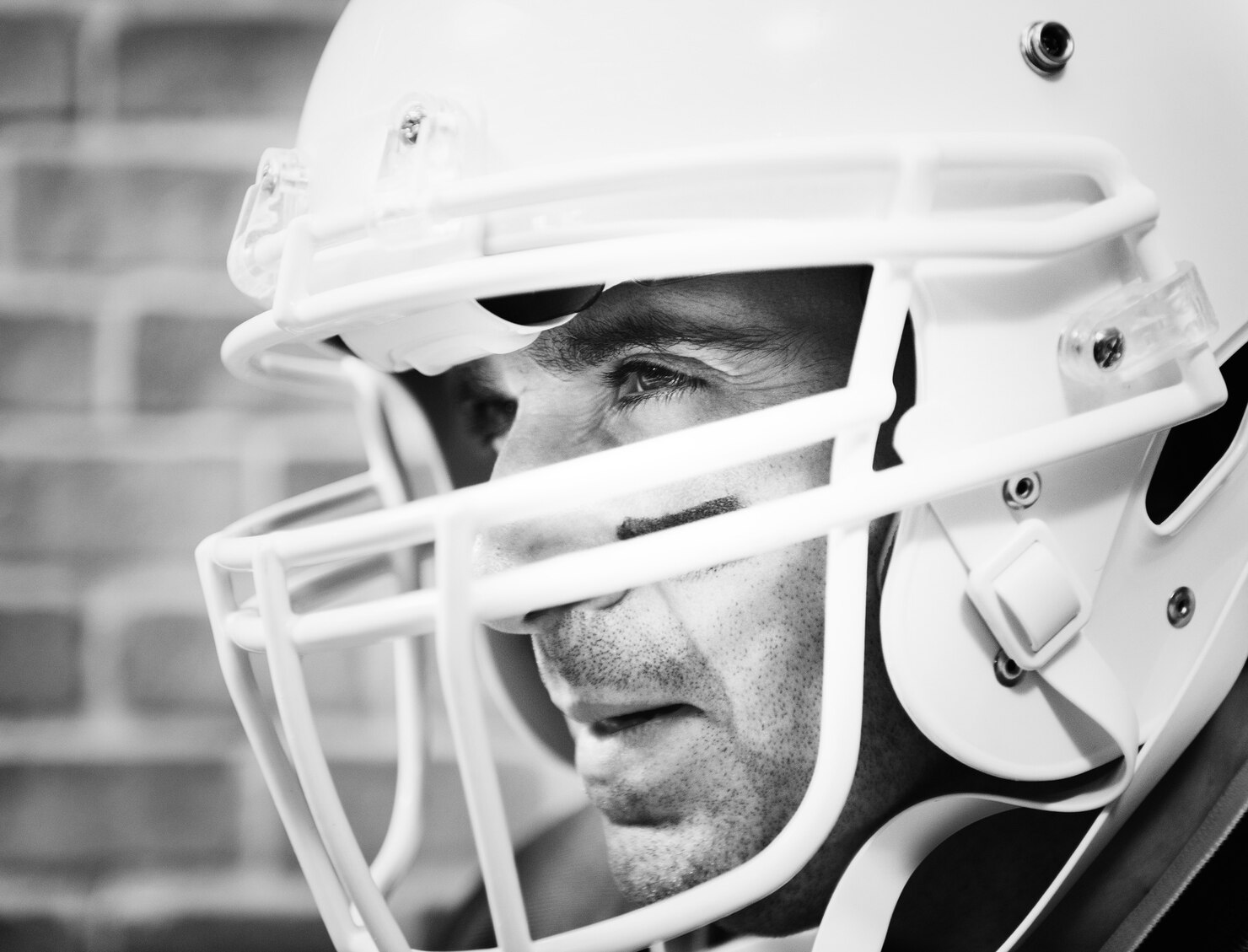
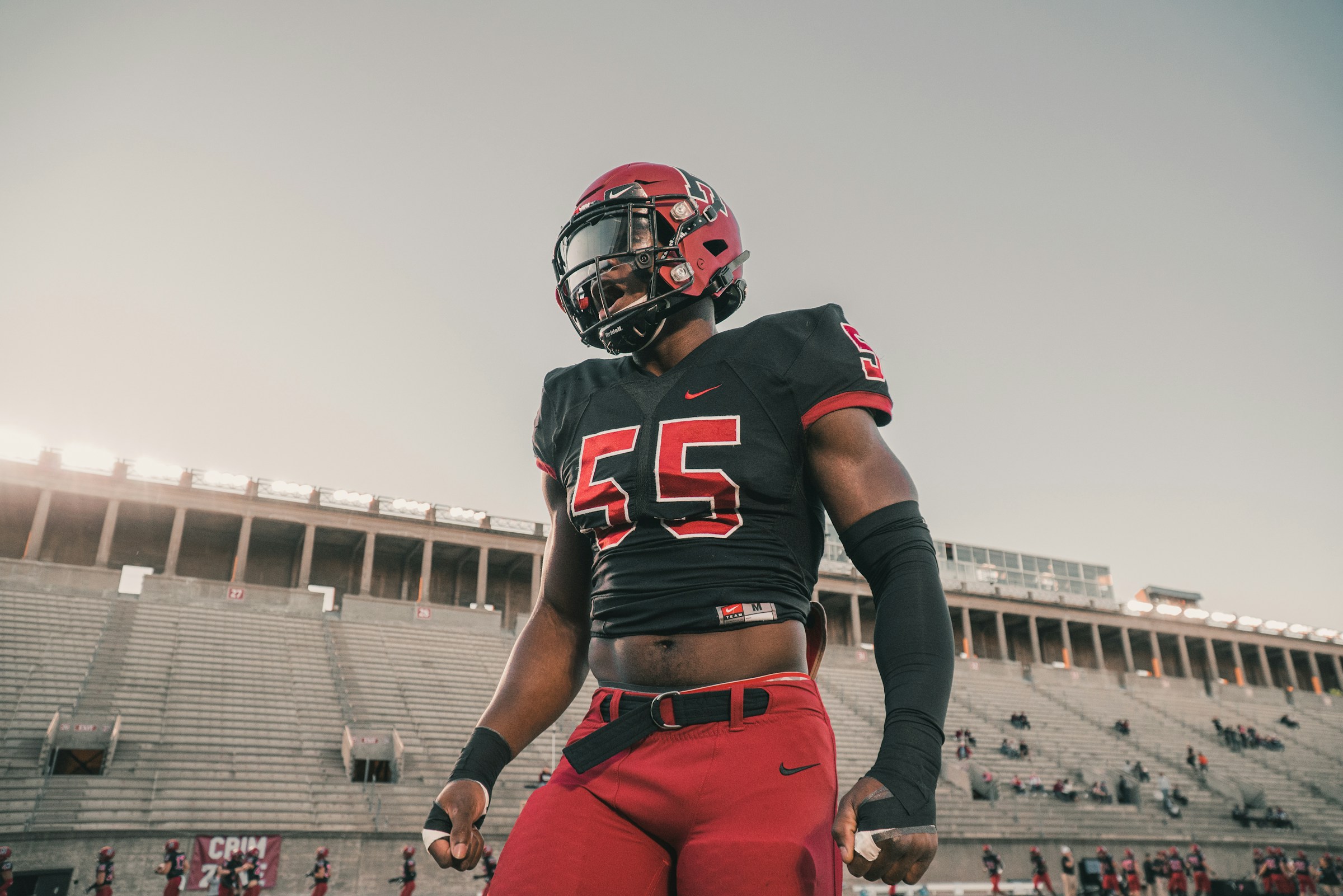
Another feature to consider when selecting head protection is the type of face mask attached to the helmet. Different players have different needs based on position and level of contact. For linemen a thicker bar facemask may offer more protection from close-quarters collisions. For quarterbacks and receivers a more open design might provide better visibility without compromising safety. Whatever styles you choose, make sure they are certified for use and properly secured to the helmet shell.
Facial Protection is Essential Too
Facial injuries can be painful and traumatic even if they are not severe. For this reason, good football gear includes optional face shields and covers. These items protect the nose, cheekbones, and eyes and can prevent cuts and bruises that may otherwise take a player out of the game. It is important that parents consider facial protection that integrates smoothly with the helmet and does not impede the player’s ability to breathe or communicate on the field.
One useful accessory for extra face protection is the THC100 SCRIMMAGE HELMET COVER . This protective cover adds an extra layer over the helmet and face mask area to reduce impact from scrimmage play. It is especially helpful in practice situations where repeated contact can lead to soreness and fatigue. The scrimmage helmet cover is designed to fit snugly without interfering with vision or comfort. When combined with a quality helmet and cheekbones, this extra layer of football gear enhances youth safety in training sessions .
Another option for added facial protection is polycarbonate face shields. These clear shields snap onto the helmet and cover the player’s face without distorting vision. They are particularly helpful for players returning from minor injuries or those who want an added sense of security. Always check with your league to ensure that any face shields or covers comply with rules for play.
Fit, Comfort, and Maintenance
Fit and comfort are closely connected. A helmet that fits well will not only protect better but also feel more comfortable for your young athlete. An uncomfortable helmet may distract a player or lead them to adjust it repeatedly, which can compromise protection. Why this matters goes back to how football gear functions to absorb impact. A helmet that moves around cannot properly distribute force in a collision.
When fitting a helmet, for comfort, ensure that it sits level on the head and does not rock back and forth. The chin strap should be snug and comfortably secure. The padding around the crown and cheeks should feel firm but not painful. It should cradle the head and leave room for athletic movement without being loose.
Once you have chosen quality helmets and protective accessories, maintaining them is crucial. Inspect the helmet regularly for cracks, dents, or worn padding. Replace any damaged football gear promptly. The THR ROLLING FOOTBALL HELMET RACK SYSTEM can help here by keeping helmets off the ground and stored in a way that preserves shape and materials. Clean helmets and face protection after practice to remove sweat and debris. Good maintenance extends the life of the equipment and ensures that it functions as intended.
Teaching Safe Play Alongside Good Gear
No amount of protective gear can prevent all injuries. Teaching your young athlete to play smart is just as important as buying the best helmets and face protection. Encourage proper tackling techniques, avoid leading with the head, and communicate with coaches about safe practices. When players understand how to support their own safety, they are more likely to wear their gear properly and respect the rules of the game.
Being proactive about safety also means having conversations about concussions. If your child complains of dizziness, headaches, or confusion after contact, take those concerns seriously. Remove them from play and seek medical evaluation. Modern youth football programs emphasize concussion awareness and recovery protocols, which improves long-term health outcomes.
Choosing the right football gear can seem overwhelming at first, but it becomes easier when you know what to look for. Prioritize certified helmets with proper fit and comfort, and consider accessories like face shields or scrimmage covers to enhance protection. Products such as the THR ROLLING FOOTBALL HELMET RACK SYSTEM and THC100 SCRIMMAGE HELMET COVER are smart additions to your child’s protective setup. Investing time in selecting the right equipment gives your young athlete the best chance to play safely with confidence.
At Tag Sports Gear , we are committed to helping parents pick the best protective gear for youth football. Explore our selection of quality helmets, face protection, and related accessories today and give your child the tools they need to enjoy the game with confidence and safety.
About the Author